


Russian culinary traditions and how they shape the future of gastronomy explored at the National Centre RUSSIA
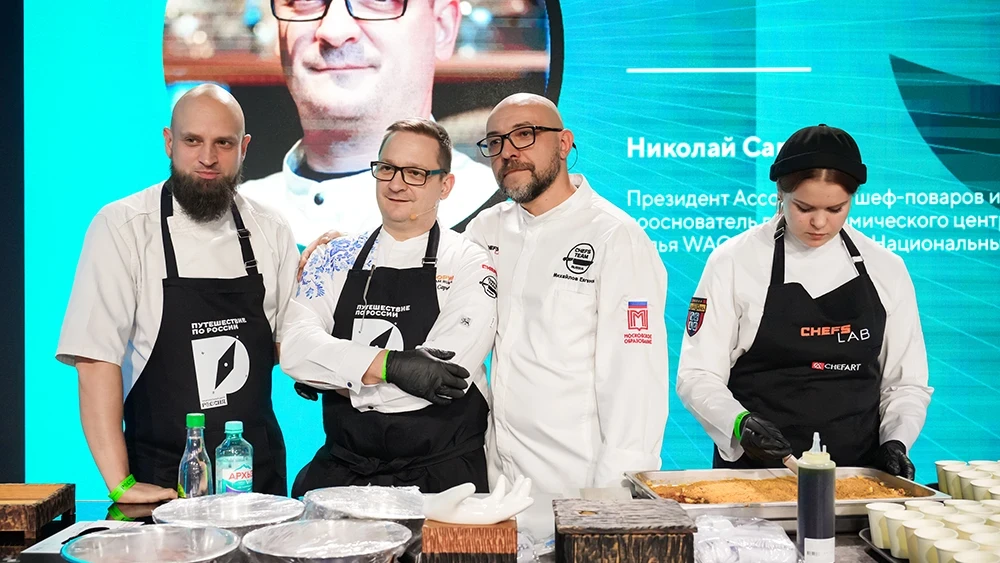
Traditional schi — cabbage soup made from historic recipes, baked potatoes with caviar and honey cake served in a honeycomb-shaped presentation — this is what the future of gastronomy looked like at the "Chef Mentor: Recipes for the Future" masterclass. The event took place at the National Centre RUSSIA as part of the III International Symposium "Inventing the Future".
Nikolai Sarychev, President of the Chefs Team Russia Association of Chefs and Pastry Chefs, co-founder of the "Chef's Laboratory" gastronomic centre, WACS Category B judge and national expert for Abilympics, outlined the guiding principle: preserve history and traditions without giving up experimentation. Together with four students, who prepared the dishes and assisted with serving under his supervision, he demonstrated how the heritage of Russian cuisine can be reinterpreted for a modern audience.
"At events like this, we explore some quite fundamental and fascinating topics related to our Russian cuisine. They always leave both me and the guests with a very positive impression," Nikolai Sarychev said.
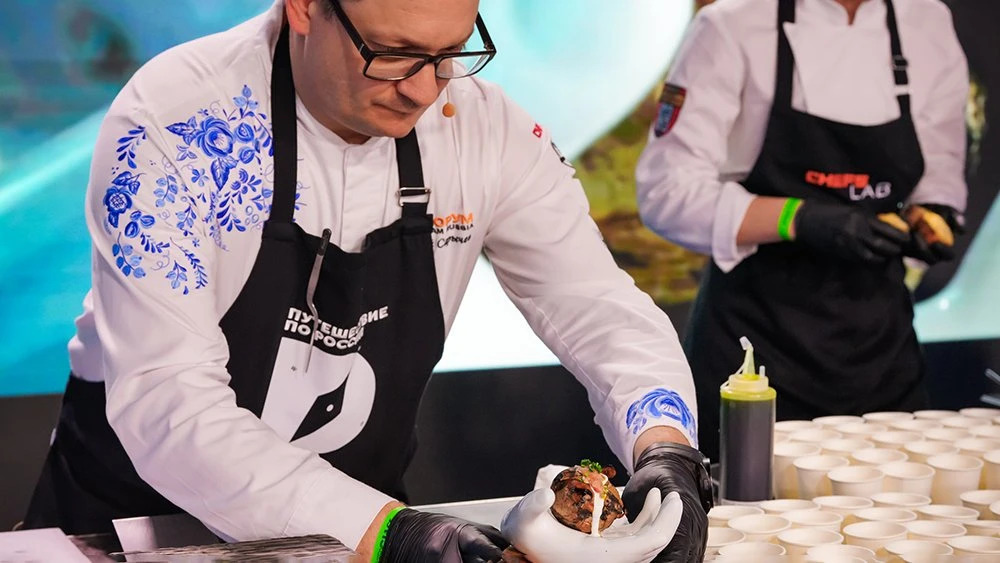
The first dish took guests on a culinary journey back to childhood: baked potatoes served with sour cream, fried onions and pollock roe. The chef's original concept brought together "land and sea", giving the familiar taste of potatoes cooked over an open fire an unexpected new dimension.
The second dish was traditional Russian shchi, a cabbage soup once known as kapustnyak. The chef prepared it with beef broth, simmering a mixture of sauerkraut and porcini mushrooms for six hours. He seasoned it not only with sour cream but also with plum preserve. Nikolai Sarychev explained that this unusual addition was not a modern invention, but an entirely traditional serving option found in an old Russian recipe.
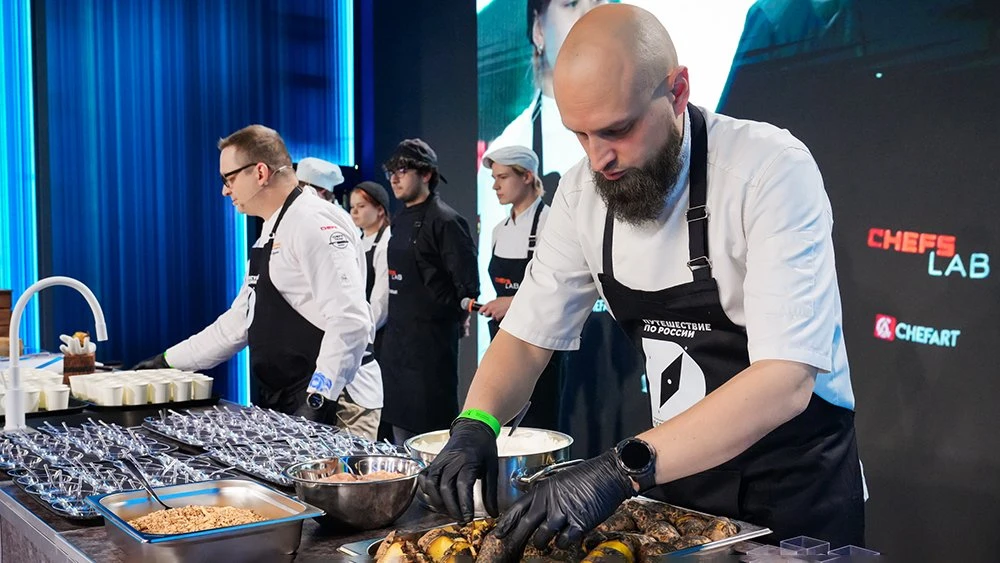
For dessert, guests were served honey cake made with buckwheat honey and sour cream frosting. Buckwheat honey gives the cake a caramel flavour, which the chef further enhances by adding baking soda to the cake layers. But the real secret is allowing the cake to rest so that the layers absorb the cream and become particularly moist and aromatic.
"None of our recipes are quick — this is not fast food, but a long process. We followed the principle of preserving food for the winter, as people used to do in Russia, rather than relying on a refrigerator: sauerkraut, dried mushrooms and plum preserve," the chef explained.
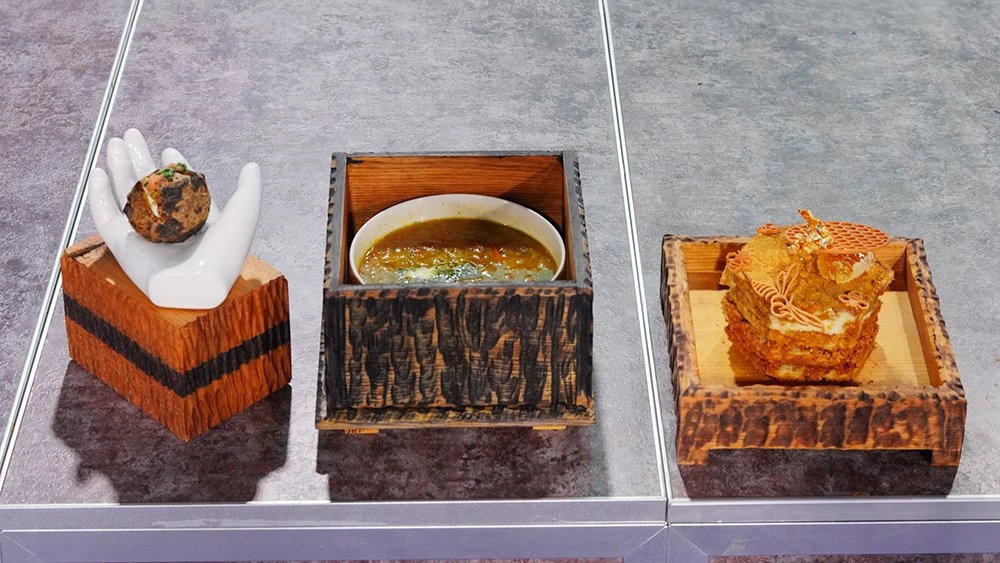
Nikolai Sarychev emphasised that all the dishes were based on original recipes that had been reconstructed, with a contemporary touch added through their presentation. He served the potatoes on a small porcelain hand-shaped platter, smoked the shchi in a special cabinet, and presented the honey cake in a specially designed honeycomb-shaped holder.
"The cuisine of the future is all the good things from the past that we have forgotten. We must do everything we can to restore our traditional recipes and present them to guests in a different form, with a new style of presentation and various accessories: smoking, nitrogen, pearlescent paper, silk or titanium wool. Using these devices, we can add charm and appeal to our dishes. But we must never forget the fundamentals," Nikolai Sarychev stressed.
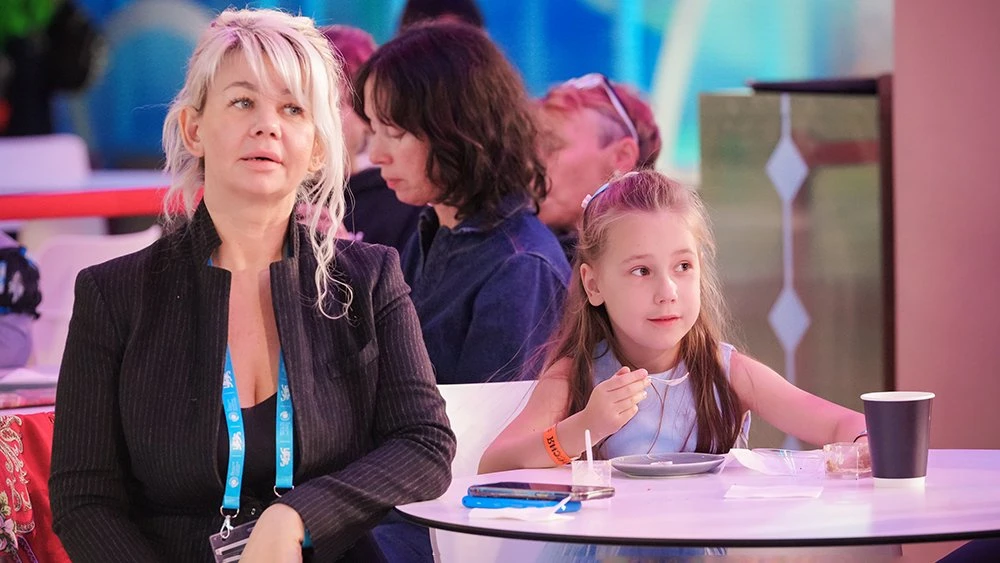
The "Chef Mentor: Recipes for the Future" masterclass continued the discussion of how tradition and technology can complement rather than contradict one another. The foundations of Russian cuisine remain unchanged, while the way its dishes are presented leaves room for experimentation. This is how culinary legacy becomes a recipe for the future.
The III International Symposium "Inventing the Future" was held at the National Centre RUSSIA on 12–13 November. The flagship event brought together more than 8,000 participants from 109 countries, including government officials, academics and researchers, business leaders, representatives of the creative industries and civil society organisations, as well as young professionals, to jointly develop forward-looking scenarios for tomorrow.