


Museum Congress at the "Inventing the Future" Symposium explored the mission of cultural institutions in the modern world
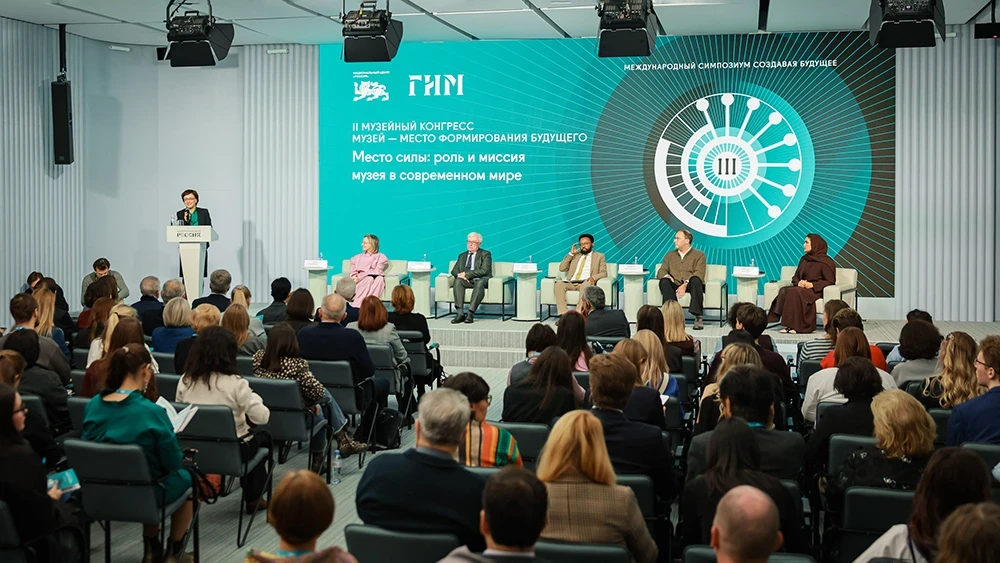
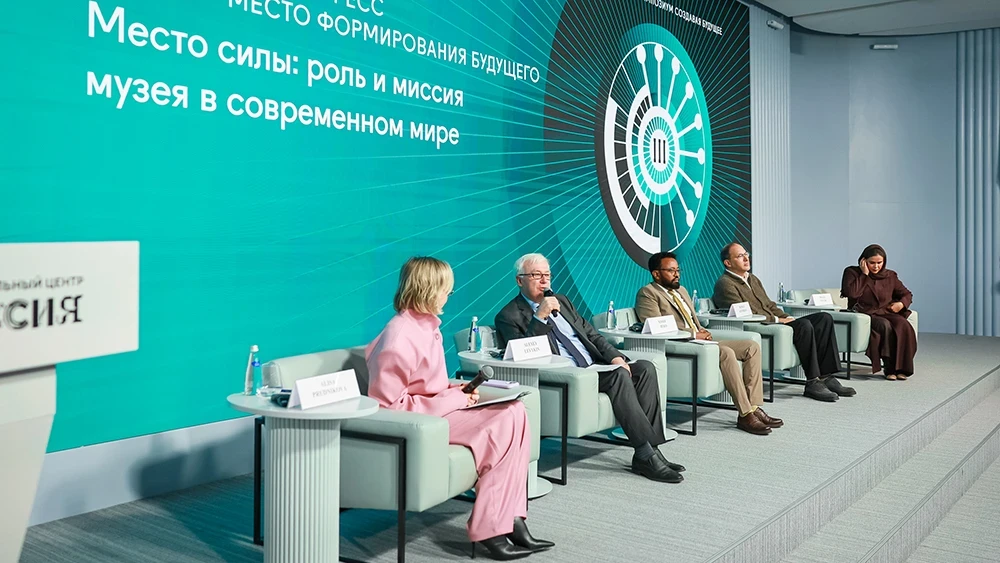
Experts at the II Museum Congress "The Museum — A Place Where the Future Is Shaped" discussed how museums can draw on the wider
national tradition, connect young people with history and respond to
contemporary threats. Representatives of 75 Russian and eight international
museums exchanged ideas on how museum spaces are changing in the digital age on
12 November at the National Centre RUSSIA. The congress was part of the
programme of the III International Symposium "Inventing the Future"
and was co-organised by the State Historical Museum, the "ATOM"
Museum, Sberbank PJSC and the "New Media Workshop".
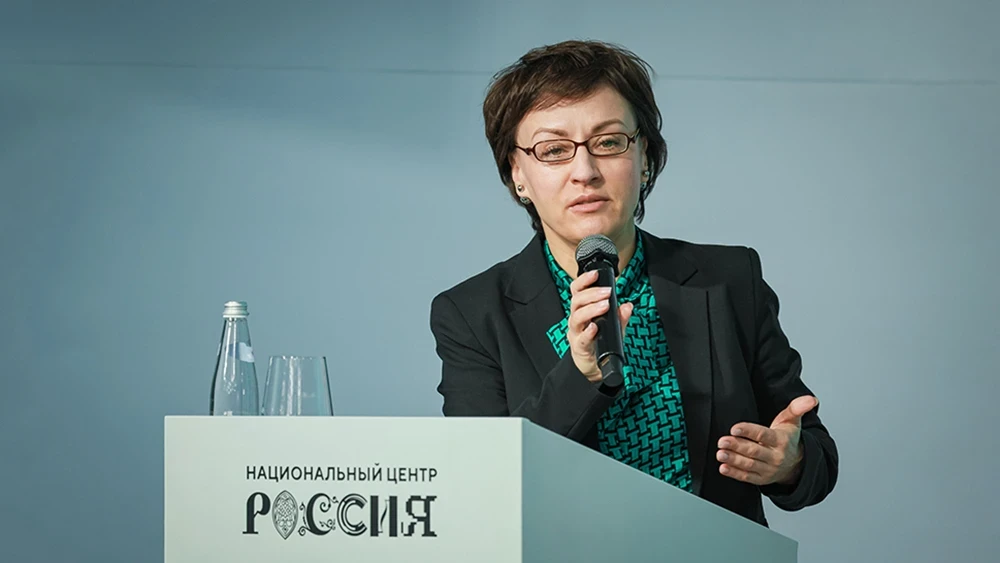
Sergei Pershin, Deputy Minister of Culture of the Russian Federation, opened the Museum Congress by reading out a message of greetings to participants from Olga Lyubimova, Minister of Culture of the Russian Federation. Yelena Galaktionova, Director of the Department for Multilateral Humanitarian Cooperation and Cultural Relations at the Russian Foreign Ministry, stressed the importance of the congress in finding new ways to overcome the barriers erected around Russian culture.
Mikhail Piotrovsky, Director General of the State Hermitage
Museum and President of the Union of Museums of Russia, likened museums to
temples that bring the world together and exercise "soft power".
"The future depends entirely on us. By looking back at
the past, we must build and preserve a collective memory, then pass it on to
younger generations. The next task for the future is to prepare and educate new
generations, and that raises the question of access. So we're like a hamster on
a wheel, constantly having to keep moving and make choices. We face many such
challenges. We are talking about 'soft power', which shapes the course of
future development," said Mikhail Piotrovsky during the session "A
Place of Power: The Role and Mission of the Museum in the Modern World".
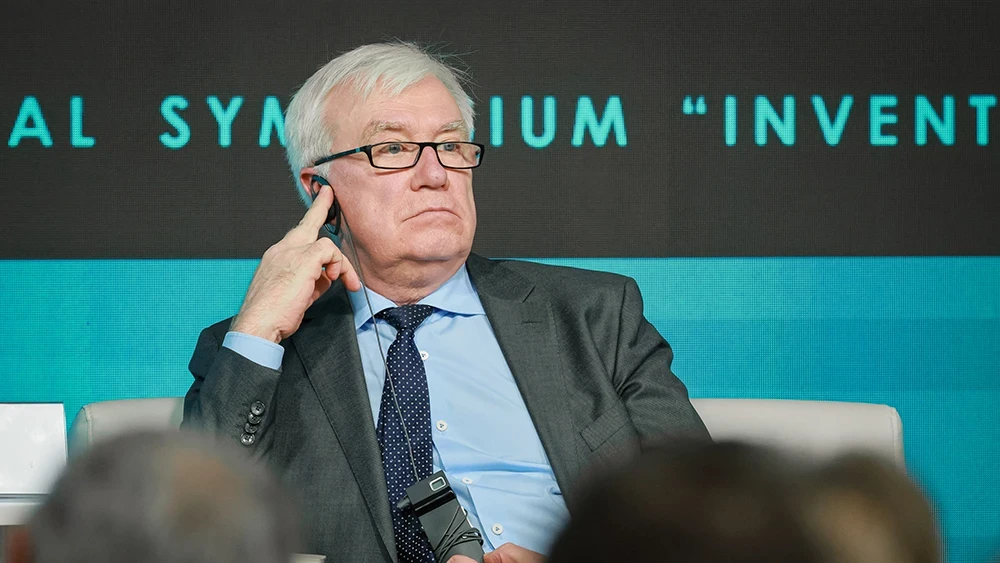
The first part of the discussion focused on preserving and
interpreting historical legacy. Alexei Levykin, Director General of the State
Historical Museum, noted, "The museum's mission today is to bring the
wider national tradition into its work, bridge gaps between periods of history,
develop historical thinking and, of course, confront contemporary threats. The
museum is an institution that helps keep society safe. It counters the
ideologies of terrorism and extremism by introducing people to history and
presenting the historical memory that society has built up."
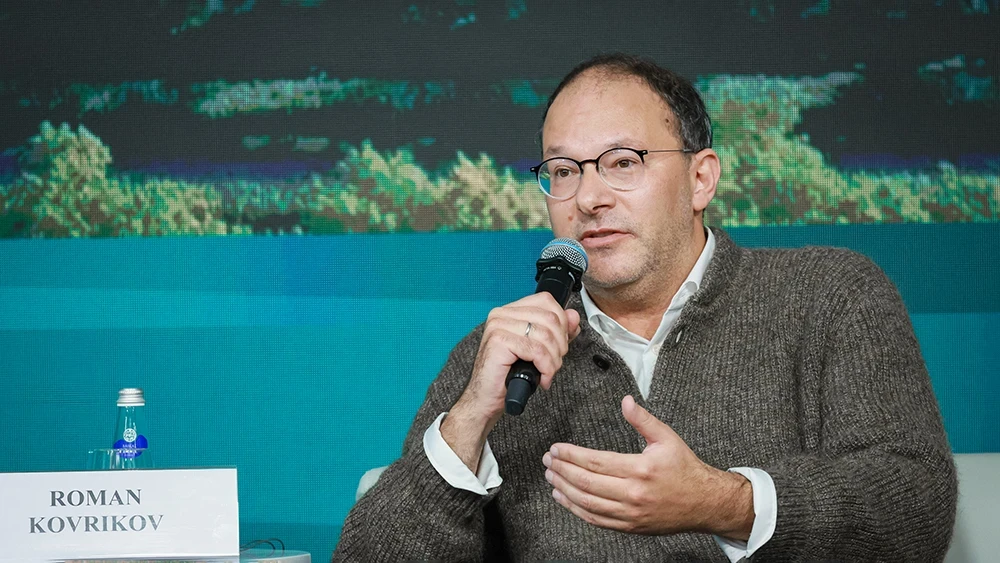
Roman Kovrikov, Director General of the "Peterhof"
Museum-Reserve, said people should be prepared for a museum visit in advance so
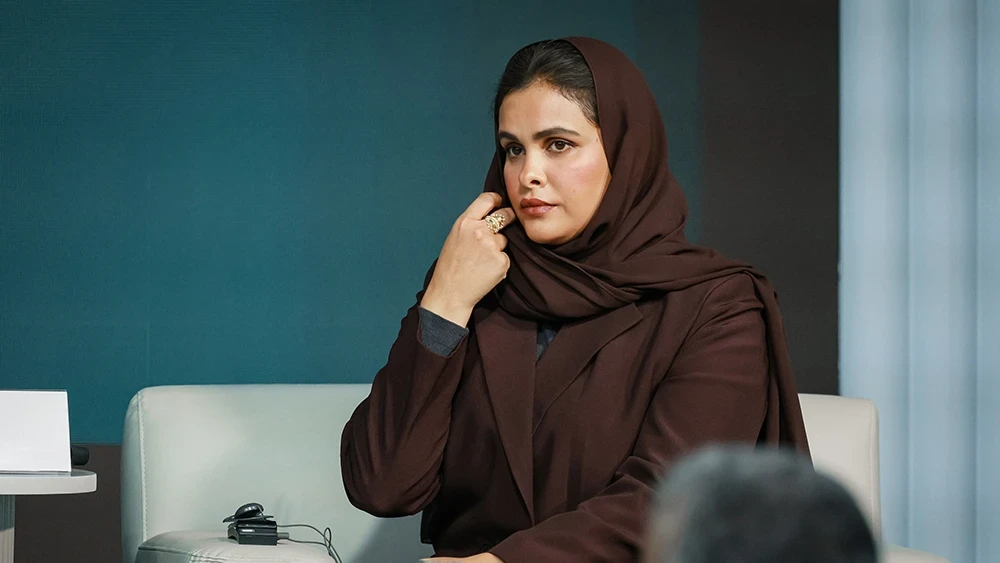
they can engage more thoughtfully with what they see. Moaza Matar from the UAE,
Director of Curatorial Affairs and Collection Management at the Zayed National
Museum, drew attention to the importance of working with children and young people.
"One of our most interesting initiatives is the tours
we run with grandparents, for example. They're very good at telling fairytales
and stories. They lead the tours, acting as guides for young children and
telling them about the history and the objects," explained Moaza Matar.
Yosef Beko, Director General of the Adwa Victory Memorial in
Ethiopia, agreed with Moaza Matar and added that museums need to build a bridge
between younger generations and history.
"We need a multimodal approach that brings together the
past, the present and the future we want. We must remember that the future
belongs to our children. We can't take them off social media, but we can create
an engaging environment where they can use those same platforms to connect with
history and with what museums have to offer," noted Yosef Beko.
The second part of the discussion focused on contemporary
approaches to curating and museum practice and new ways of engaging visitors.
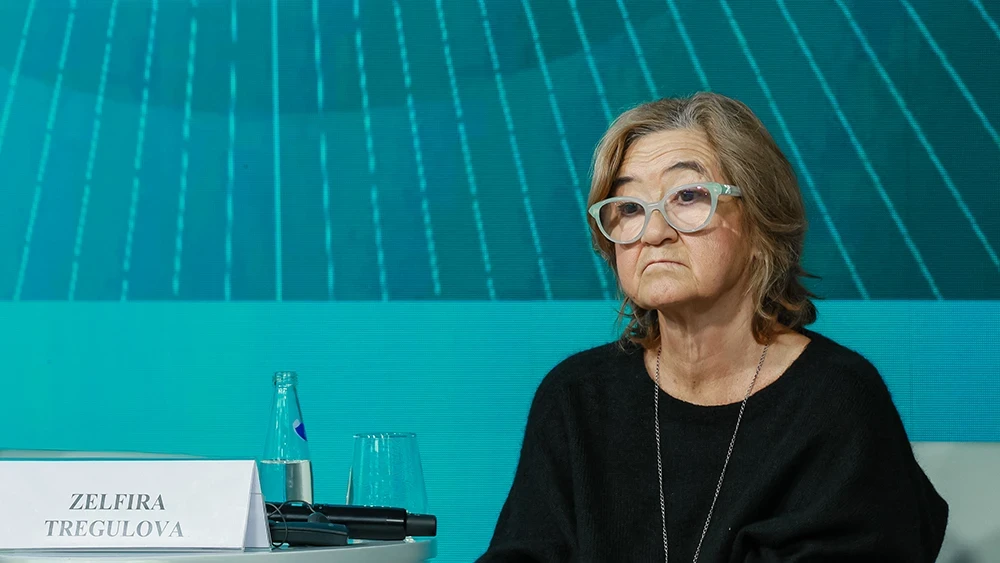
Zelfira Tregulova, an exposition curator who was Director of the Tretyakov
Gallery from 2015 to 2023, said the future lies in a nuanced approach tailored
to different audiences, presenting bold concepts and ideas without imposing
them on visitors.
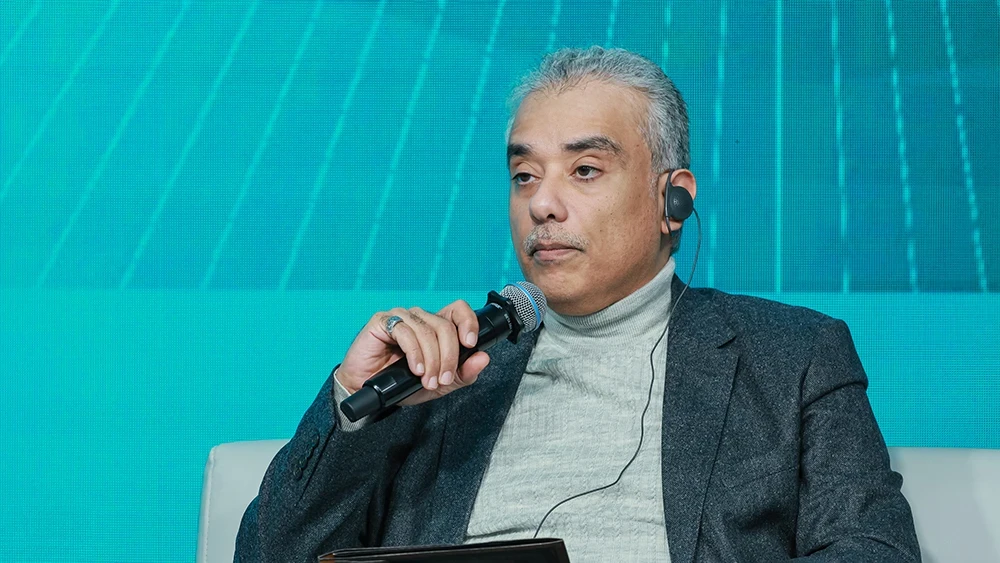
At the National Museum of Qatar, recorded memories of local
residents are played alongside the exhibits. Abdulla Mohamed Al Sulaiti, Deputy
Director for Research and Collections at the National Museum of Qatar, noted
that this had opened up new ways to maintain links between generations.
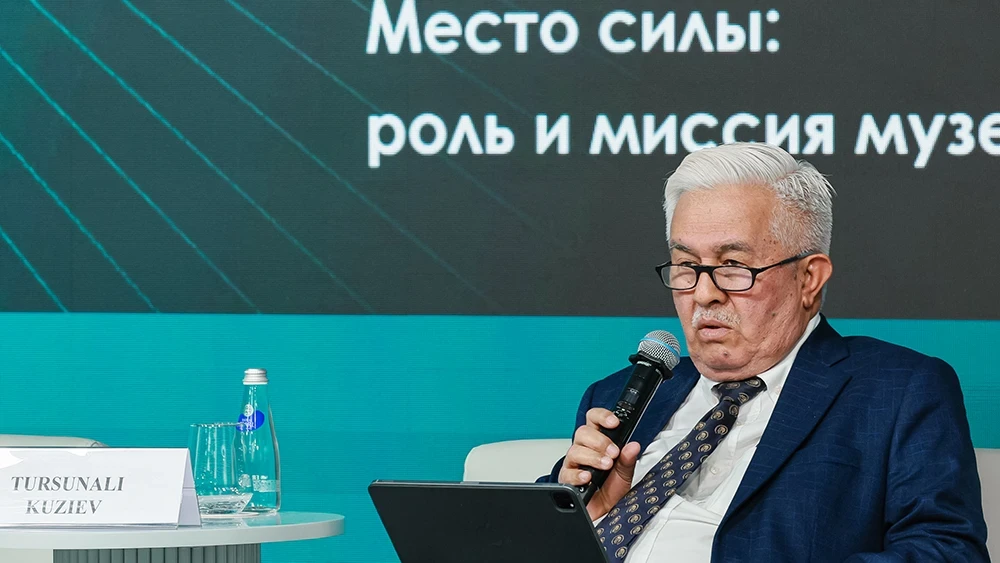
Tursunali Kuziev from Uzbekistan, Scientific Adviser to the Director of the
Centre for Islamic Civilisation, added that a museum's mission is to preserve
memory and turn it into a source of moral growth.
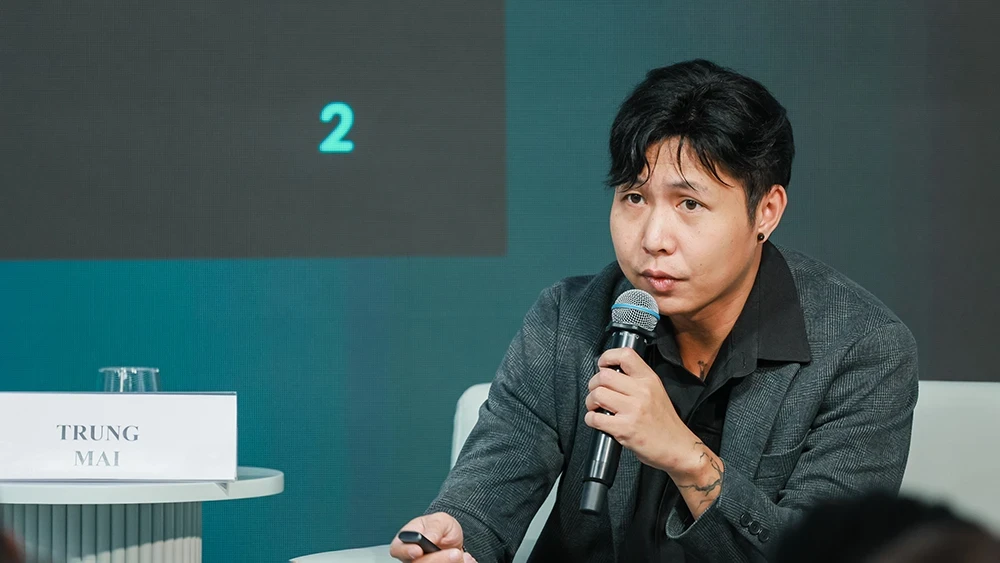
Trung Mai from Vietnam, an architect and urban planner,
founder of Hanoi Ad Hoc and curator of the "Moscow — Hanoi. Landscapes of
Optimism" exposition at the "GES-2" House of Culture, described
his work on the project. He said an architect's task is to study the past and
anticipate the future.
The panel discussion "Museums of Progress: A Shared Future
for Technology" explored how specialist museums can bring together
expertise, collections and educational formats to present a shared picture of
technological development.
"In these fast-moving and turbulent times, science and
technology museums are becoming the only places we can rely on. According to
UNESCO surveys, they command the highest levels of public trust. Museums of
science and new technologies, museums of progress, are places where we can look
together beyond the horizon of our own lives, even a little further, and see
what the future might look like," noted Yelena Mironenko, Head of the
BRICS Alliance of Science and Technology Museums and Director General of the
"ATOM" Museum.
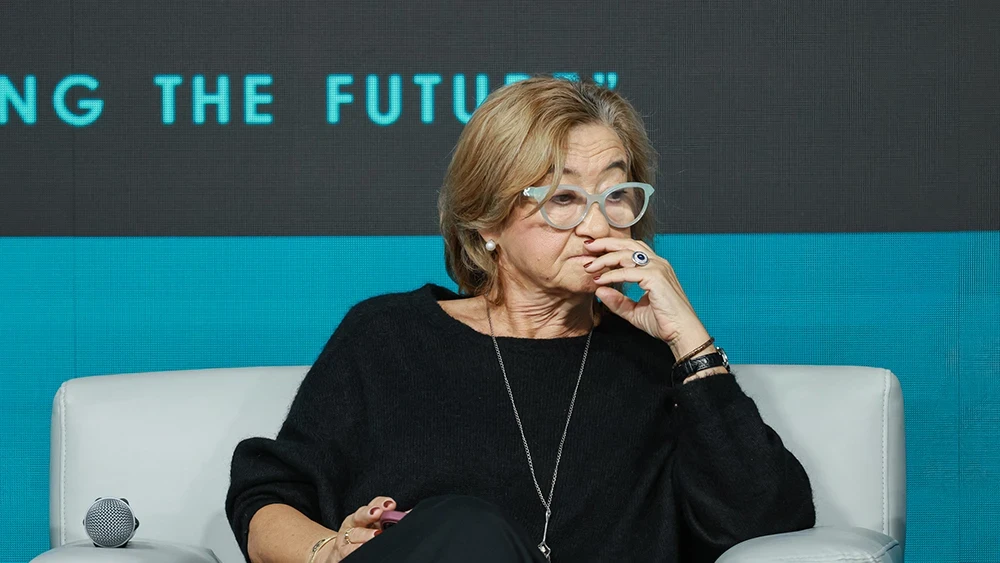
The discussion was joined by Lidiya Lobanova, Director of
the Museum of Cryptography, Irina Khoroshun, Chair of the Board of the
"BioTech2030 Technology Platform" Association, and Ni Minjing,
Director General of the Shanghai Science and Technology Museum. To engage
visitors, these museums create multimedia content and use humour. They explain
objects and technologies clearly and honestly, regularly update their displays
and use a range of educational formats.
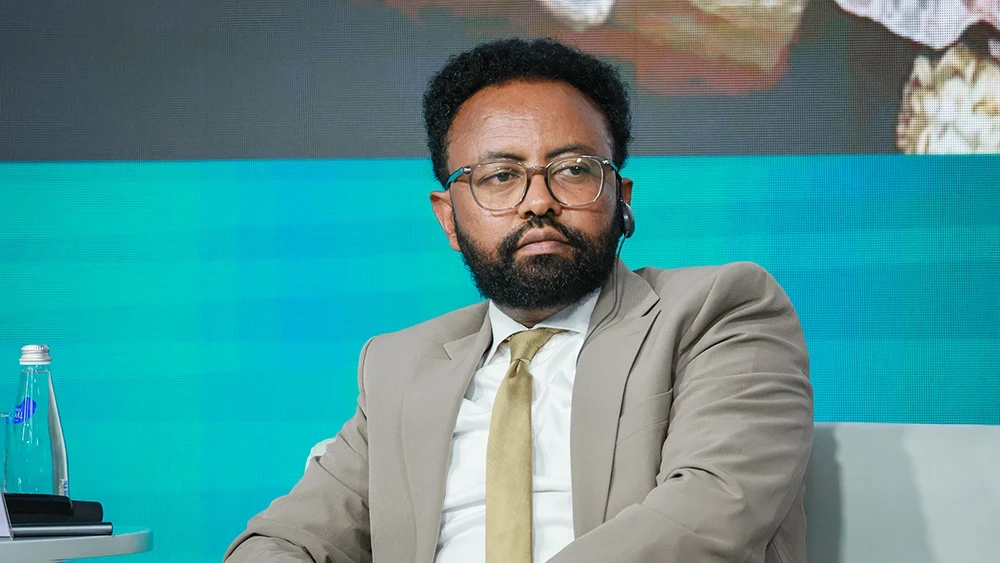
Denis Mironyuk, Director General of the Museum of the World
Ocean, a federal state-funded museum-reserve, stressed that modern museums need
to move beyond conservative approaches and make knowledge more accessible to
the public. Phumzile Zonke (South Africa), Director of Advancement at Iziko
Museums, agreed. Phumzile Zonke said it is important for museums to adapt in
good time so they can help bring people together. Oksana Bondarenko, Director
of the Moscow Transport Museum, which has undergone a major transformation,
noted that the museum would focus on expositions and festival projects in the
near future.
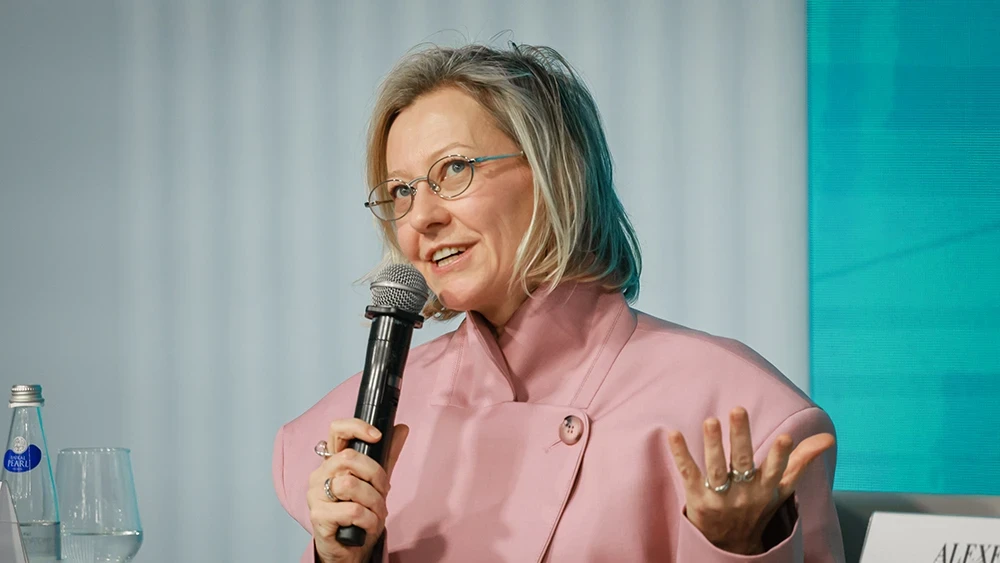
Two workshops were held for congress participants. The first
was "Museum-Laboratory: How Technologies Attract New Visitors".
Tatyana Nikulina, Head of Creative AI Kandinsky and Team Lead in the Generative
Video Division at Sberbank PJSC, and Natalia Pavlova, a lead at the Key
Initiatives Centre in the Marketing Department at Sberbank PJSC, explained how
museums can integrate AI into their work effectively and thoughtfully.
The second workshop, "Museums Are in Fashion: How to
Create and Implement Bold PR Ideas", showed how creative formats and tools
can help museums attract different audiences and reach beyond specialist
communities. Sergei Izotov, Editorial Director of the Mash Room Telegram
channel and creator and host of the podcasts "Without Leaving the Room"
and "The End of History", and Yury Omelchenko, founder of the
ARTPatrol media project, co-owner and PR producer of Omelchenko Gallery, art
dealer and auctioneer, shared their experience.
At the close of the II Museum Congress, cooperation
agreements were signed between the State Historical Museum and Ethiopia, and
between the National Centre RUSSIA and the "ATOM" Foundation for the
Advancement of Scientific, Educational and Communication Initiatives.