


Strategic session on demography and family support held at the Symposium "Inventing the Future"

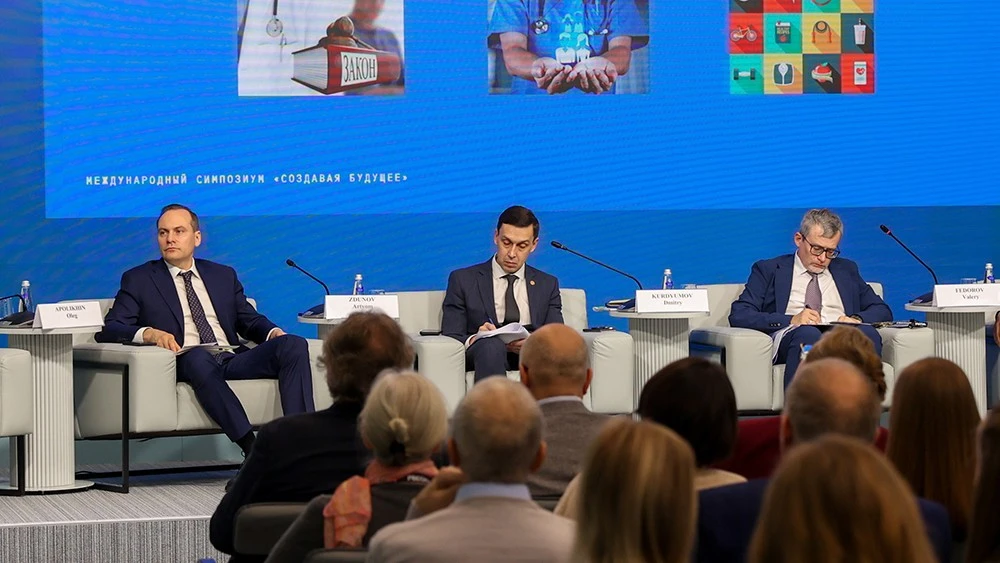
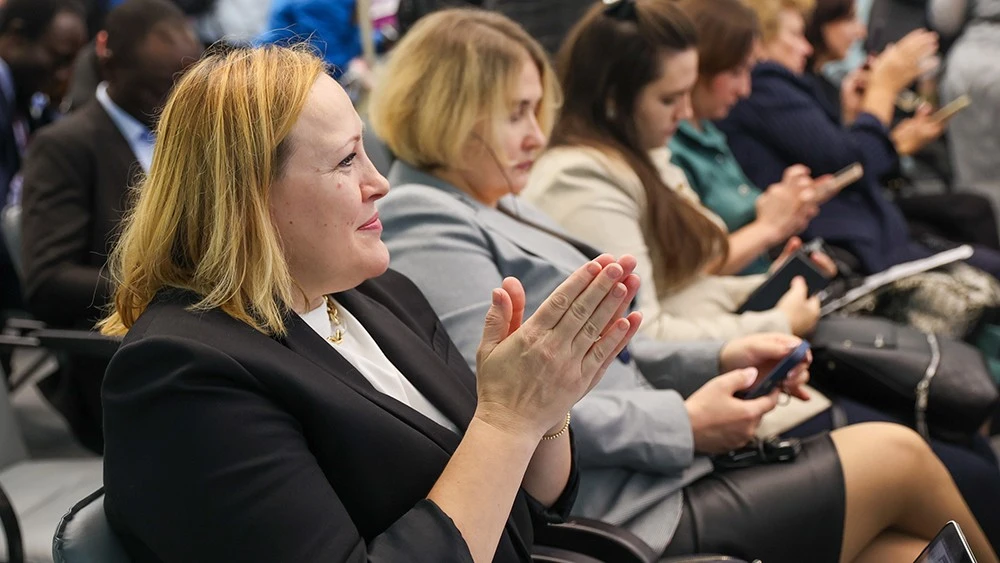
On 8 October, participants of the strategic session "Demographic Future: From Challenges to Solutions", held as part of the II International Symposium "Inventing the Future" at the National Centre RUSSIA, discussed ways to overcome existing demographic trends and effective practices for supporting families and children. The co-organiser of the session was the VCIOM Analytical Centre.
Falling birth rates are a global problem, noted Valery Fedorov, Director General of the VCIOM Analytical Centre, as he opened the discussion.
"There has been a very sharp breakdown of what once seemed a basic trend — rapid population growth. Not long ago, futurists warned that our planet lacked the resources to sustain a growing population. Today, everything has changed. In just a few years, it has become clear that population growth has practically stopped almost everywhere. Only three macro-regions still show an increase, but even there, the data indicate a slowdown. The question now is whether we can return to growth — or at least maintain stability," said Valery Fedorov.
Sergei Rybalchenko, Director General of ANO "Institute for Scientific and Public Expertise", member of the Civic Chamber of the Russian Federation and Chair of its Commission on Demography, Family, Children and Traditional Family Values, added that the key state priority today is to increase the birth rate and restore population reproduction. Since the largest share of women are now aged 30+, support measures aimed at encouraging large families could play a decisive role. According to him, the state should begin large-scale construction of social housing and increase investment in support for large families, universal child benefits regardless of income, and childcare for children under three.
"Restoring population reproduction in the country is an even greater challenge than sending a human into space or developing a nuclear programme. The nation that achieves it first will gain enormous advantages, including in attracting economic investment," said Sergei Rybalchenko.
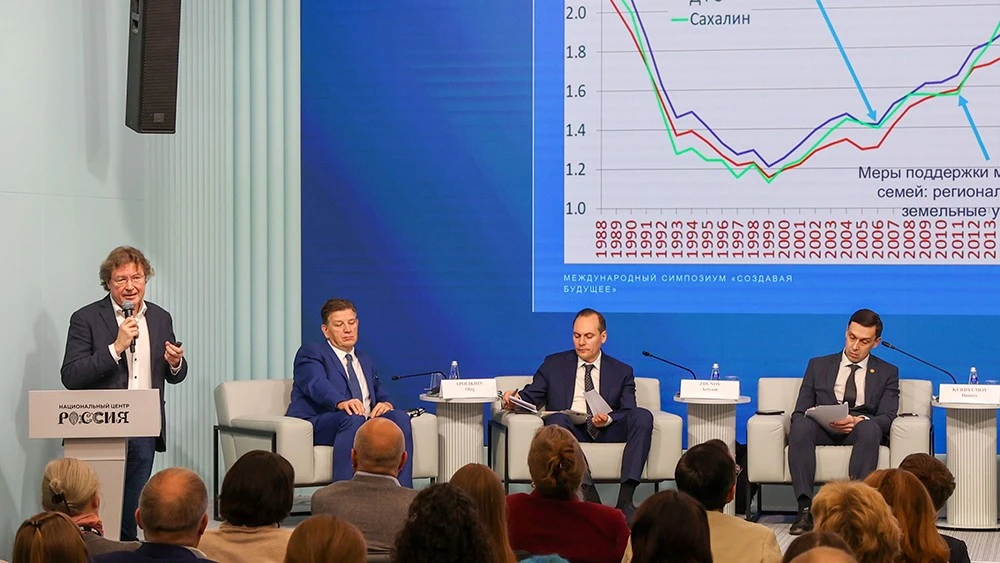
Several Russian regions have already achieved positive results in implementing demographic policies. For example, in the Sakhalin region, the total fertility rate increased from 1.56 in 2011 to 2.16 in 2016, thanks to concentrated support for families with a third child. A key measure was the cancellation of 50% of mortgage debt.
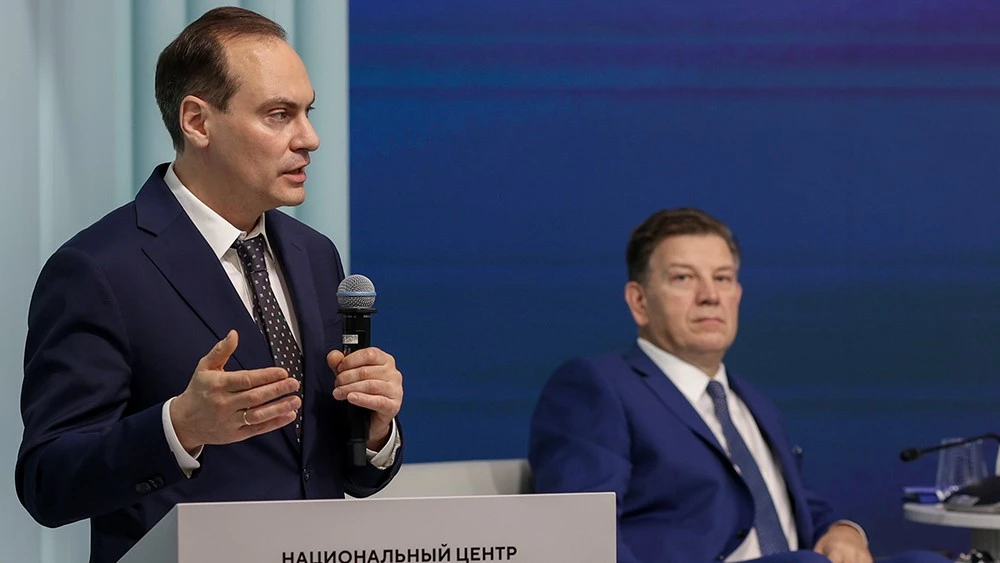
Artem Zdunov, Head of the Republic of Mordovia and Chair of the State Council Commission on Family Affairs, believes that regional authorities should make family life as convenient as possible — from visiting clinics to school meals. The main principle, he stressed, is that the entire national infrastructure and all state projects should be built around families and their needs.
Irina Kalabikhina, Doctor of Economics, Professor and Head of the Department of Population Studies at the Faculty of Economics of Lomonosov Moscow State University, and Editor-in-Chief of the academic journal Population and Economics, noted that demographic policy measures do yield results and that priority should be given to supporting large families, whose share in Russia has doubled in recent years. At the same time, she stressed that the balance between family and work should be based on public childcare support, flexible employment schemes, the promotion of fatherhood, and a fair care economy.
"My motto is ‘Give time.’ For years, we have been giving money. But time is a priceless, non-renewable resource. Young parents and workers are the same people. We need a new collective agreement on how time is used and shared," said Irina Kalabikhina.
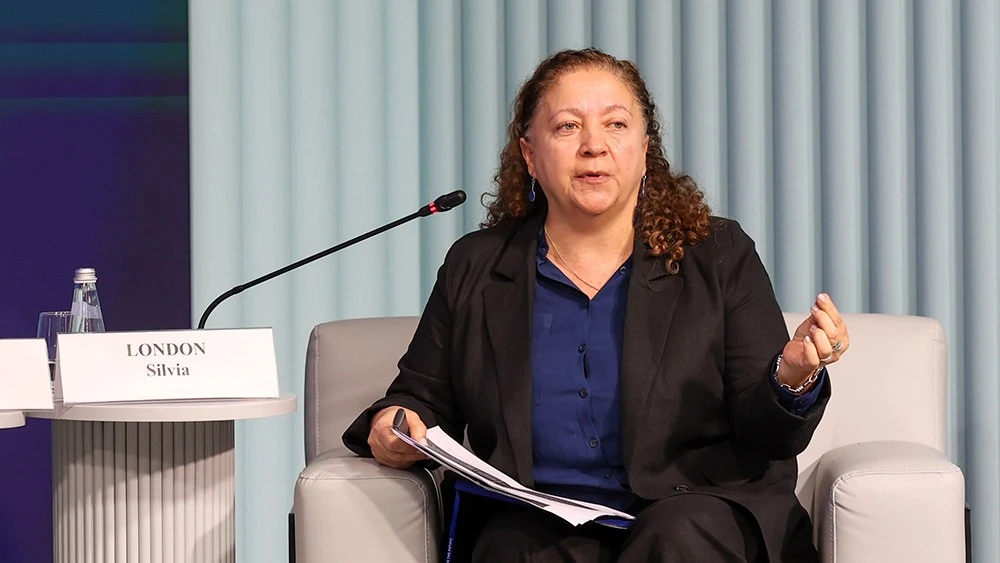
Foreign experience in addressing demographic challenges was presented by Silvia London, Professor at the Faculty of Economics of the National University of the South, Director of the National Scientific and Technical Council of Bahia Blanca, and Senior Researcher (UNS-CONICET) from Argentina. According to her, the main challenge for Latin American and Caribbean countries is population ageing. By 2055, the share of elderly citizens is projected to exceed 40%. These countries are also interested in increasing the birth rate, but many families are unable to access support measures because they lack formal employment.
"Policy must aim to ensure equal conditions and opportunities for all categories. We are working on the pilot programme ‘One Thousand Days’ for pregnant women in vulnerable situations, which will include medical supervision, nutritional support, and housing assistance. This is being done with the future in mind," said Silvia London.
The II International Symposium "Inventing the Future" is being held on 7 – 8 October at the National Centre RUSSIA, bringing together participants from more than 85 countries and all regions of the Russian Federation. It features over 260 Russian and international experts from China, the USA, Italy, Latin America, Southeast Asia, the Middle East, and Africa. The expert and open programmes include around 50 events. The programme and livestreams are available at the website.
The International Symposium "Inventing the Future" is organised on the instruction of the President of the Russian Federation, Vladimir Putin, under the auspices of the Decade of Science and Technology in Russia, with the support of the Ministry of Foreign Affairs of Russia, the Ministry of Science and Higher Education of Russia, and the Ministry of Culture of Russia. The analytical partner is the VCIOM Analytical Centre, and the literary partner is the Eksmo-AST Publishing Group.