


Attendees of the Symposium "Inventing the future" discussed scenarios for the development of Russia
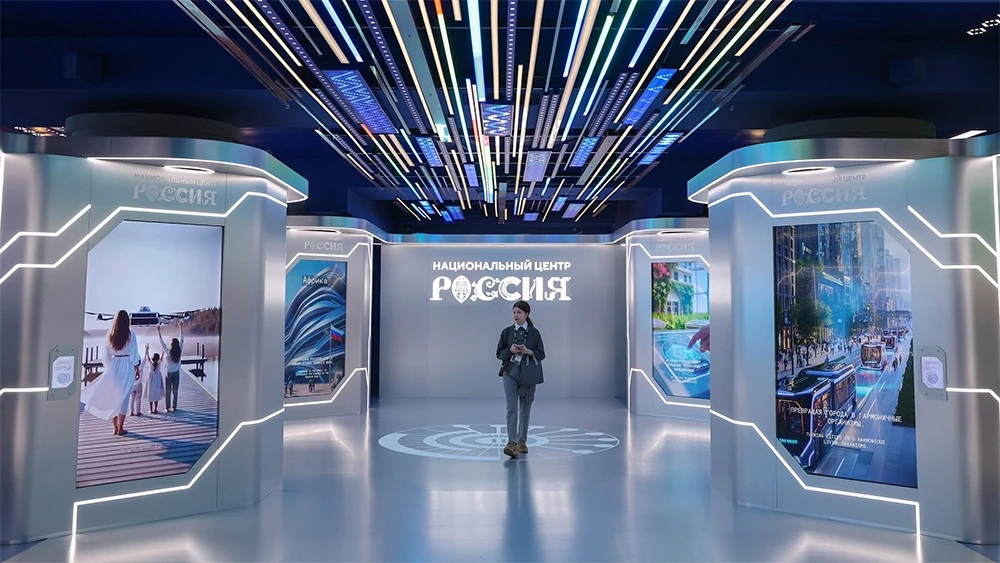
A panel discussion of social models of the future took place within the framework of the II International Symposium "Inventing the Future" at the National Centre RUSSIA. The session dedicated to possible scenarios for the development of events in the world became part of the "Society" track, and brought together representatives of government, science and the media. The Symposium is being held under the auspices of the Decade of Science and Technology, with the support of the Ministry of Foreign Affairs, the Ministry of Science and Higher Education, and the Ministry of Culture of the Russian Federation.
The relevance of the discussion "Social Models of the Future" is dictated by the fact that a single image of the future is no longer something given, and the active search of it is becoming a key task, noted Ruslan Yusufov, moderator of the session, futurologist, researcher, founder of the Analytical Centre MINDSMITH.
The experts discussed five scenarios for the future, each of which offers its own answer to the question of the country's priorities. It was emphasized that the concepts of state power, social equality and technological leadership are not contradictory, but complement each other organically.
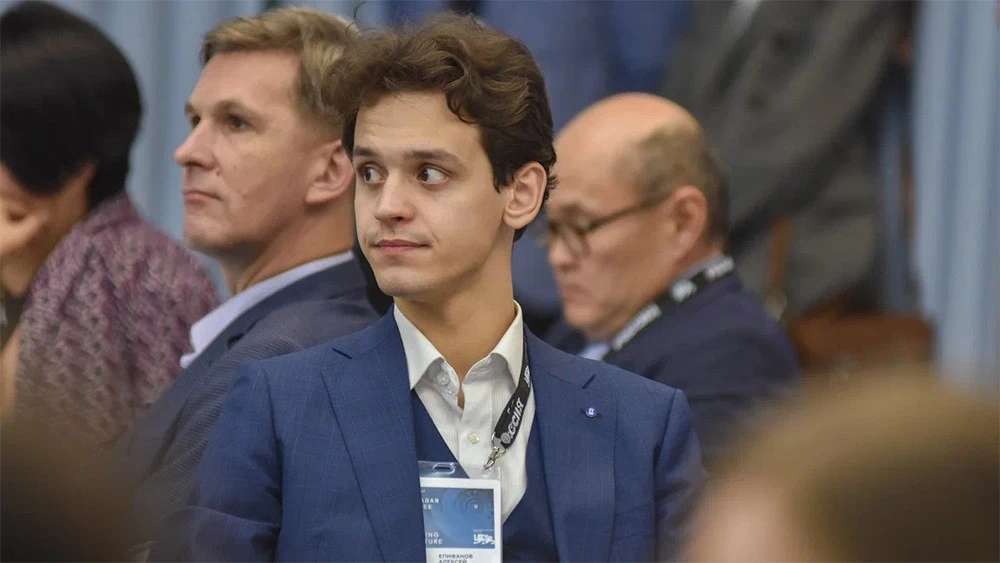
The first scenario, the concept of "Great Russia", was presented by TV presenter Anna Shafran. She stressed that the country must take care of the happiness and safety of its citizens, building up its military power and convincingly defending its sovereignty in the face of constant external threats. Maria Chadina, member of the Russian Union of Journalists, correspondent, blogger, defended this model of the future, as well. She also expressed the opinion that the greatness of the country is the responsibility of every citizen, therefore, it is necessary to mobilize all efforts to solve the tasks which the state is facing.
Alexei Firsov, founder and Director General of the Centre for Social Design "Platform", LLC, presented the concept "Social Russia".
"It seems to me that greatness is, in a sense, both social justice and technological development. However, social justice is not a mathematical category, and its deficit will always be felt. The search for justice is a Russian cultural code, and the horizon of the future draws other contours of inequality for us. Today, new techno-elites are emerging, stratification is noticeable, and large technology corporations are gaining power. Due to new technologies, the contours of understanding what social justice is may change," said Alexei Firsov.
Andrei Sharonov, Director General of the National Alliance for Social and Environmental Responsibility, Corporate Governance and Sustainable Development, gave a brief description of the concept of the "Democratic Russia". In particular, he noted that there are no historical traditions of democracy in Russia, with the exception of the 16th century Novgorod Veche.
"Russia has always been an empire. But "Technological Russia" is the only scenario worth following. We cannot live without technology, this is our civilization now, and today it is the first thing we can think of. And in the democratic model, the best thing is the feedback model," concluded writer Vadim Panov. He noted that the empire is always about clear goal-setting, education and technology. From the writer's point of view, the "Great Russia" scenario is the most natural for our country.
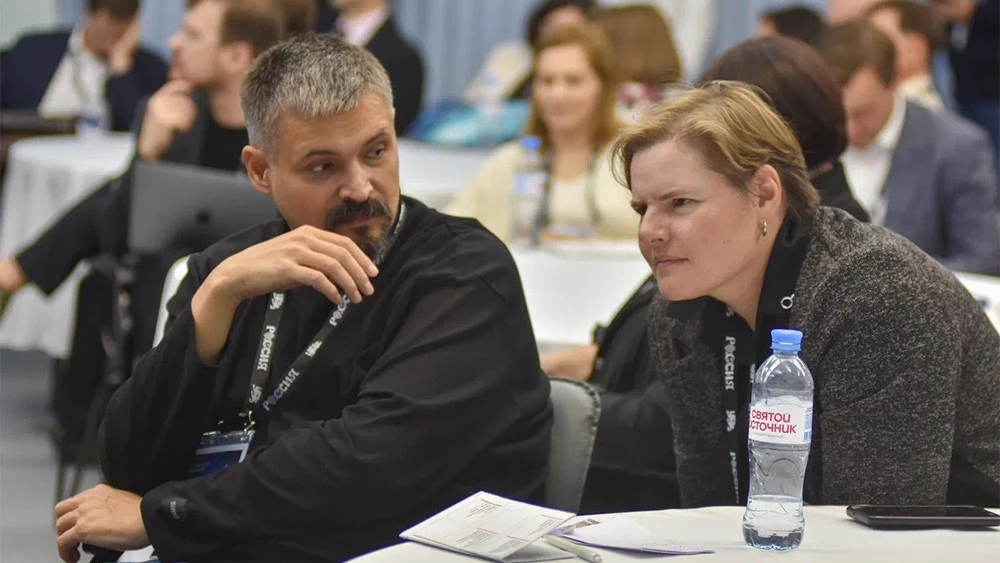
Alexander Pavlov, Chief Managing Partner for the Development of Artificial Intelligence at VEB RF, noted that Russia has all the necessary competitive advantages to become a new global centre for the development of artificial intelligence and digital technologies. Among such advantages, he mentioned the abundance of electricity, the cold climate zone, which is important for heat removal, and human intellectual resources.
Irina Hildebrandt, Director of Strategic Projects at the NAFI Analytical Centre, presented the scenario for the "Comfortable Russia". According to her, it is a progressive country where the environment will be a state priority, the level of medicine will increase significantly, technology will play a key role in public administration and other industries, and people will enjoy active longevity.
The discussion ended up with the audience's direct vote for the most attractive scenario for Russia's future. The result of the survey showed that the concepts of "Comfortable Russia" and "Great Russia" were the most popular — more than 32% of the audience voted for them. The third place in the voting was taken by the concept of "Social Russia".
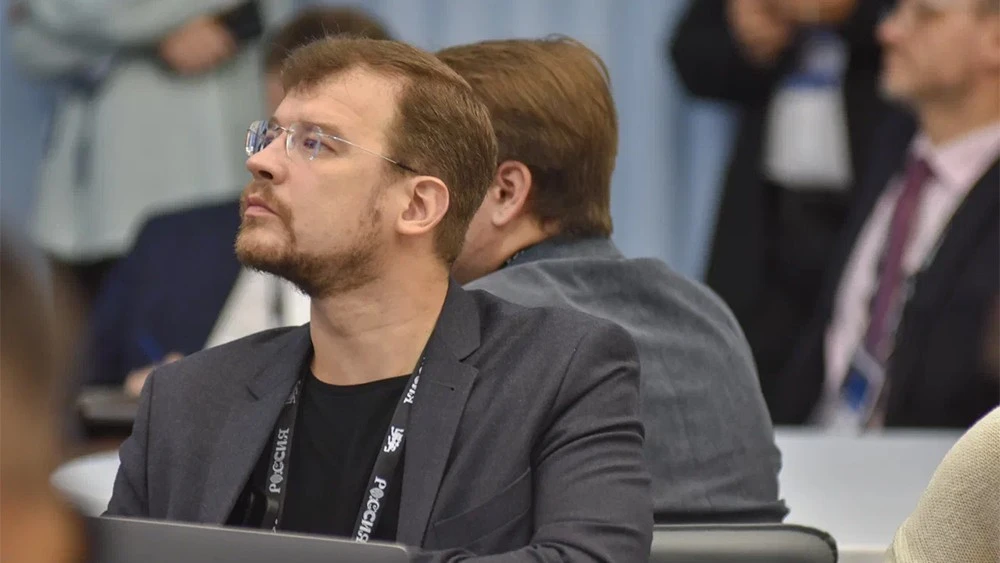
The II International Symposium "Inventing the Future" is being held on 7 – 8 October at the National Centre RUSSIA, and brought together participants from more than 85 countries and from all subjects of the Russian Federation. It is being attended by more than 260 Russian and foreign experts from China, the USA, Italy, Latin America, Southeast Asia, the Middle East and Africa.
The International Symposium "Inventing the Future" is organized on behalf of Russian President Vladimir Putin under the auspices of the Decade of Science and Technology, with the support of the Ministry of Foreign Affairs, the Ministry of Science and Higher Education, and the Ministry of Culture of the Russian Federation. The analytical partner is the VTsIOM Analytical Centre. The literary partner is Eksmo-AST Publishing Group.